
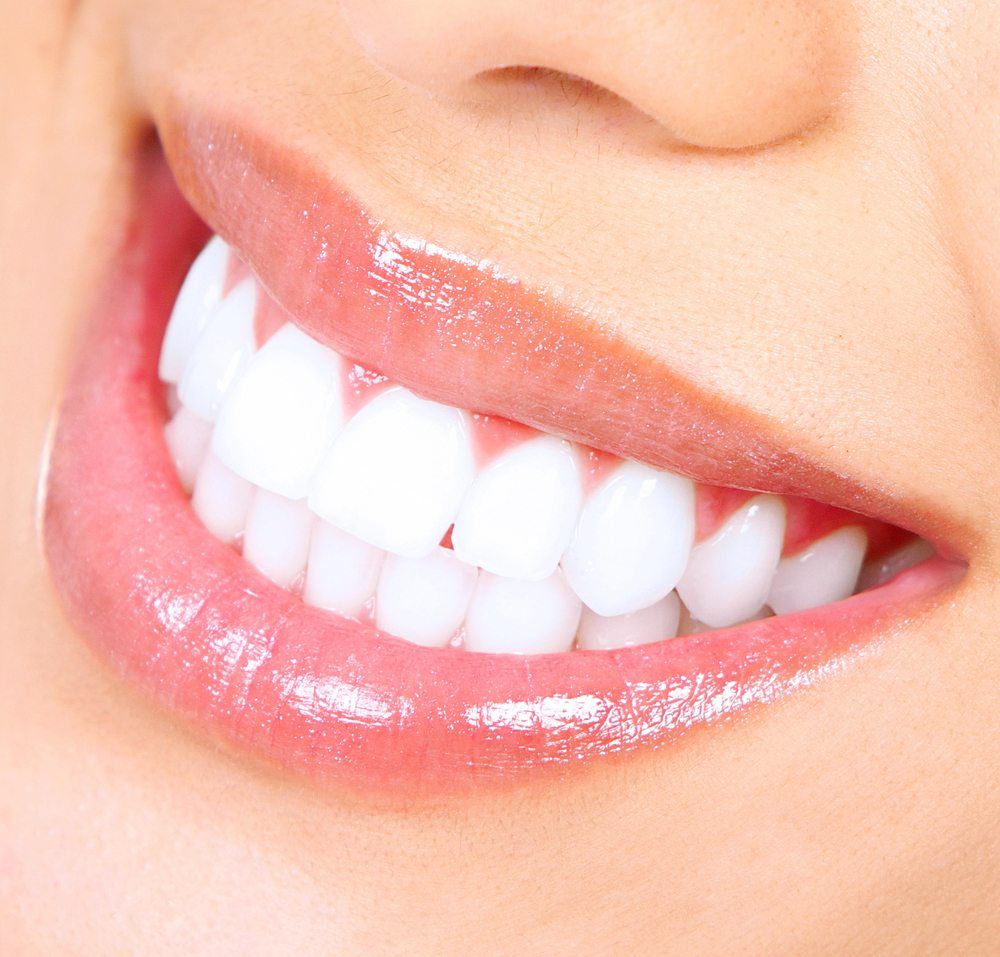

A bright, white smile is a universal symbol of health, youth, and confidence. Our collective desire for pearly whites has fueled a massive industry, with options ranging from expensive dental procedures to questionable “hacks” found on social media. But navigating this landscape can be treacherous. Understanding the difference between safe, effective methods and risky, homemade experiments is crucial. This article pulls back the curtain on the truth about teeth whitening, exploring professional treatments, legitimate over-the-counter products, and the dangerous pitfalls of the DIY movement.
The Science of Tooth Discoloration
Before diving into how to whiten, we must understand why teeth stain. The outer layer of the tooth is enamel, the hardest substance in the human body. Beneath the enamel is dentin, a naturally yellowish tissue.
There are two primary types of staining:
-
Extrinsic Stains: These surface stains appear on the enamel and are caused by external factors. The biggest culprits are pigments from food and drink, such as coffee, tea, red wine, dark sodas, and colorful berries. Tobacco use is another significant cause. These stains adhere to the enamel’s microscopic pores and can often be removed with good hygiene or mild whitening agents.
-
Intrinsic Stains: These occur inside the tooth structure, specifically within the dentin. This discoloration can be grey or yellow and is deeply embedded. Intrinsic staining can be caused by aging (as enamel thins, more dentin shows), trauma to the tooth (causing internal bleeding), excessive fluoride exposure during tooth development, and certain medications like tetracycline. Intrinsic stains are much harder to treat and usually require professional chemical whitening or restorative procedures like veneers.
Professional Whitening: The Gold Standard for Safety and Results
When it comes to effectiveness and safety, professional, dentist-supervised teeth whitening remains unmatched. Dentists have the expertise to diagnose the cause of your discoloration, which is the most critical first step. An incorrect diagnosis (e.g., trying to whiten intrinsic decay with surface strips) will lead to frustration and potential harm.
Professional methods leverage higher concentrations of whitening agents—usually hydrogen peroxide or carbamide peroxide—administered in a controlled environment.
In-Office Whitening
Often called “power whitening” or “chairside whitening,” this is the most effective and fastest method.
-
The Procedure: The dentist protects your gums and lips with a rubber dam or gel barrier. A high-concentration whitening gel (typically 25-40% hydrogen peroxide) is applied directly to the teeth. Many procedures use a specialized light or heat source to activate the gel and speed up the chemical reaction. The process usually takes one hour and can yield dramatic results in a single visit.
-
Safety: The high concentration is precisely applied and monitored by dental professionals, minimizing the risk of uneven whitening or gum irritation.
-
Longevity: Results are significant but not permanent. With proper maintenance, in-office whitening can last one to three years.
Dentist-Supervised Take-Home Trays
This option offers a compromise between cost and dramatic, professional-grade results.
-
The Procedure: The dentist takes an accurate impression (mold) of your teeth to fabricate a custom-fitted whitening tray. You receive a professional-strength whitening gel (usually carbamide peroxide, which breaks down into hydrogen peroxide) with instructions on how to apply it. You wear the tray daily, typically for 30-60 minutes, for one to two weeks.
-
Safety: The custom tray ensures the whitening gel is held tightly against your teeth and is kept away from your delicate gum tissue, which is the key to preventing “chemical burns.” While a lower concentration than in-office gel, it is significantly more effective than over-the-counter options.
Over-the-Counter (OTC) Products: Accessibility vs. Efficacy
OTC whitening products are widely available in drugstores and supermarkets. They are generally safe when used correctly on healthy teeth, but they have limitations. The concentration of whitening ingredients is significantly lower than professional products, meaning they require more time and offer less dramatic results.
-
Whitening Strips: One of the most popular options. These are thin, flexible plastic strips coated with a mild hydrogen peroxide gel. They conform to the front surface of the teeth. They are relatively inexpensive and can provide noticeable results after continuous use for a couple of weeks. Their main disadvantage is that they only whiten the front surfaces and may not adhere perfectly to crooked or irregularly shaped teeth.
-
Whitening Toothpastes and Rinses: These work primarily by removing extrinsic stains. They contain mild abrasives (like silica) to polish the teeth and low levels of chemical agents (like sodium hexametaphosphate) to help prevent new stains. They do not contain bleach and cannot change the natural internal shade of your teeth. Overuse of abrasive toothpastes can actually wear down enamel, making teeth look more yellow as dentin is exposed.
-
Whitening Gels and Universal Trays: These kits include a stock, “boil-and-bite,” or one-size-fits-all tray and a bleaching gel (usually carbamide peroxide). The fundamental flaw with these kits is the poorly fitting tray. It allows the whitening gel to leak out onto your gums, causing irritation and chemical burns, while not ensuring the gel stays evenly on the teeth.
-
Whitening Pens: These provide a temporary coating to brighten teeth for a short period. They are often less about true chemical whitening and more about optical brighteners. They have very limited efficacy for deep staining.
The DIY Disaster: Dangerous “Hacks” to Avoid
Social media is a breeding ground for unsafe wellness trends, and DIY teeth whitening is no exception. These methods are frequently advertised as natural and cheap, but they lack scientific validity and, more importantly, are profoundly damaging to your dental health. The damage they cause is often irreversible and requires extensive (and expensive) restorative work to correct.
Baking Soda and Lemon Juice: The Acid-Abrasion Trap
This classic DIY recipe is perhaps the most destructive.
-
The Problem: The logic is that baking soda is abrasive (removes stains) and lemon juice is a bleach (whitens). Both are true. Baking soda is highly abrasive, and while it can scrub away some surface stains, it also scrubs away your irreplaceable enamel, especially when used excessively or aggressively.
-
The Danger: Lemon juice is citric acid, which is extremely acidic (pH around 2.2). Acid is the enemy of enamel. It softens and dissolves enamel, a process called acid erosion. The combination—applying a powerful acid and then scrubbing with an abrasive—is a recipe for accelerated enamel loss. This leads to permanent, severe tooth sensitivity, exposed dentin (which is yellow), and an extremely high risk of cavities. This “hack” does not whiten the teeth chemically; it aggressively thins the protective outer layer.
Charcoal Powder: The Hidden Abrasive Risk
The black powder trend promised bright white teeth, often using clever visual marketing. Activated charcoal is highly absorbent and is used medically to treat certain poisonings, but its abrasive nature makes it a hazard for daily dental use.
-
The Problem: Activated charcoal is essentially ground-up carbon. It works by scrubbing. There is zero evidence that charcoal has any intrinsic chemical bleaching capability.
-
The Danger: The primary danger is excessive abrasion. Many charcoal products are much rougher than standard toothpastes, leading to the same irreversible enamel wear and tear seen with baking soda overuse. Once enamel is gone, it is gone forever, making teeth more susceptible to decay and making them look worse as the yellow dentin is exposed.
Oil Pulling: An Ancient Method, Not a Whitening Treatment
This ancient Ayurvedic practice involves swishing a tablespoon of oil (like coconut or sesame) in the mouth for 15-20 minutes. Proponents claim it “pulls” toxins and brightens teeth.
-
The Problem: While oil pulling may have some minor benefits for overall oral hygiene by reducing certain mouth bacteria, there is absolutely no credible scientific evidence that it can whiten teeth or remove intrinsic or stubborn extrinsic stains. It is essentially a neutral, low-efficacy oral hygiene practice that is not a teeth whitening method.
Safety First: A Checklist for a Brighter Smile
Achieving a brighter smile safely should be the priority. Before you pursue any whitening procedure, professional or otherwise, follow these essential steps:
-
See Your Dentist First: A pre-whitening exam is non-negotiable. The dentist must check for cavities, gum disease, and receding gums. Whitening agents can be intensely painful and harmful if they seep into decay or reach exposed tooth roots. The dentist will also determine the cause of your staining, which dictates the best treatment.
-
Manage Expectations: Be realistic. Whitening can only bleach existing enamel; it cannot turn a shade of internal grey into blinding white. The natural shade of your dentin will always play a role.
-
Choose Approved Products: Use professional services, custom take-home kits from your dentist, or OTC products with a recognized seal of safety or approval from a major dental association.
-
Avoid DIY “Hacks”: Disregard methods involving household pantry items like lemon juice, vinegar, or charcoal. They are destructive and counterproductive.
Conclusion
Teeth whitening can be a rewarding way to improve your appearance, but it must be approached with caution and respect for your oral biology. Enamel is a non-renewable resource; once it’s damaged, the health of your teeth is permanently compromised. Professional procedures remain the safest and most effective method because they are administered after a proper diagnosis and under controlled conditions. While legitimate over-the-counter options offer convenience for mild staining, they are not a substitute for a comprehensive dental examination. Rejecting dangerous DIY fads is paramount. Protecting your long-term dental health is the true secret to a beautiful smile.
Frequently Asked Questions
Can anyone get their teeth whitened?
While most people with healthy teeth can benefit from whitening, it is not suitable for everyone. People with active gum disease, cavities, or receding gums should not whiten until these issues are resolved. Pregnant or lactating women are often advised to avoid whitening chemicals. People with existing dental work (crowns, veneers, fillings) on their front teeth must realize these materials will not change color, potentially leaving them with unevenly colored teeth after whitening. A professional consultation is critical to determine if whitening is a viable option.
Why do my teeth hurt after whitening?
Tooth sensitivity is the most common side effect of whitening. It occurs when the whitening agent (peroxide) penetrates the enamel and reaches the nerve within the dentin. This sensitivity is usually temporary and resolves within a few days after treatment. Dentists often recommend desensitizing toothpaste to alleviate this discomfort. Severe or prolonged pain is not normal and should be reported to your dentist.
Does teeth whitening damage the enamel?
Professional and legitimate over-the-counter whitening products do not damage enamel when used correctly on healthy teeth. The process involves a chemical reaction that removes stains from within the microscopic pores of the enamel. It does not dissolve the enamel structure. However, unsafe DIY methods (like acid-abrasion combinations) and overuse of abrasive whitening toothpastes can cause irreversible enamel erosion, which is deeply damaging.
How do I maintain my results after whitening?
The longevity of whitening results depends significantly on maintenance. To keep teeth bright, you should minimize consumption of staining food and drink (coffee, tea, red wine). If you do consume them, try to brush or rinse with water immediately. Quit smoking and use of other tobacco products. Regular dental cleanings and examinations are essential, as a professional cleaning can effectively remove surface stains. Some people choose to do occasional touch-up whitening at home using custom trays or strips.
How much can I expect my teeth to whiten?
The degree of whitening achieved varies significantly from person to person. A professional, in-office treatment can often brighten teeth by several shades (e.g., three to eight shades) in a single session. Take-home trays or strips achieve similar results but require weeks of daily application. Results depend on the initial level of discoloration, the type of staining (intrinsic vs. extrinsic), and the concentration of the whitening agent. The goal should be a natural-looking enhancement, not unnatural blinding whiteness.
Are at-home LED light kits effective?
Many OTC whitening kits include a small, consumer-grade LED light. While these are based on the premise that light activates the whitening gel (a method often used in professional settings), most evidence suggests these small, battery-operated consumer lights have very little measurable effect on the efficacy or speed of the lower-concentration gels used in OTC kits. Their primary function often seems to be enhancing the perceived value of the product rather than providing a true scientific advantage.

Comments are closed.