
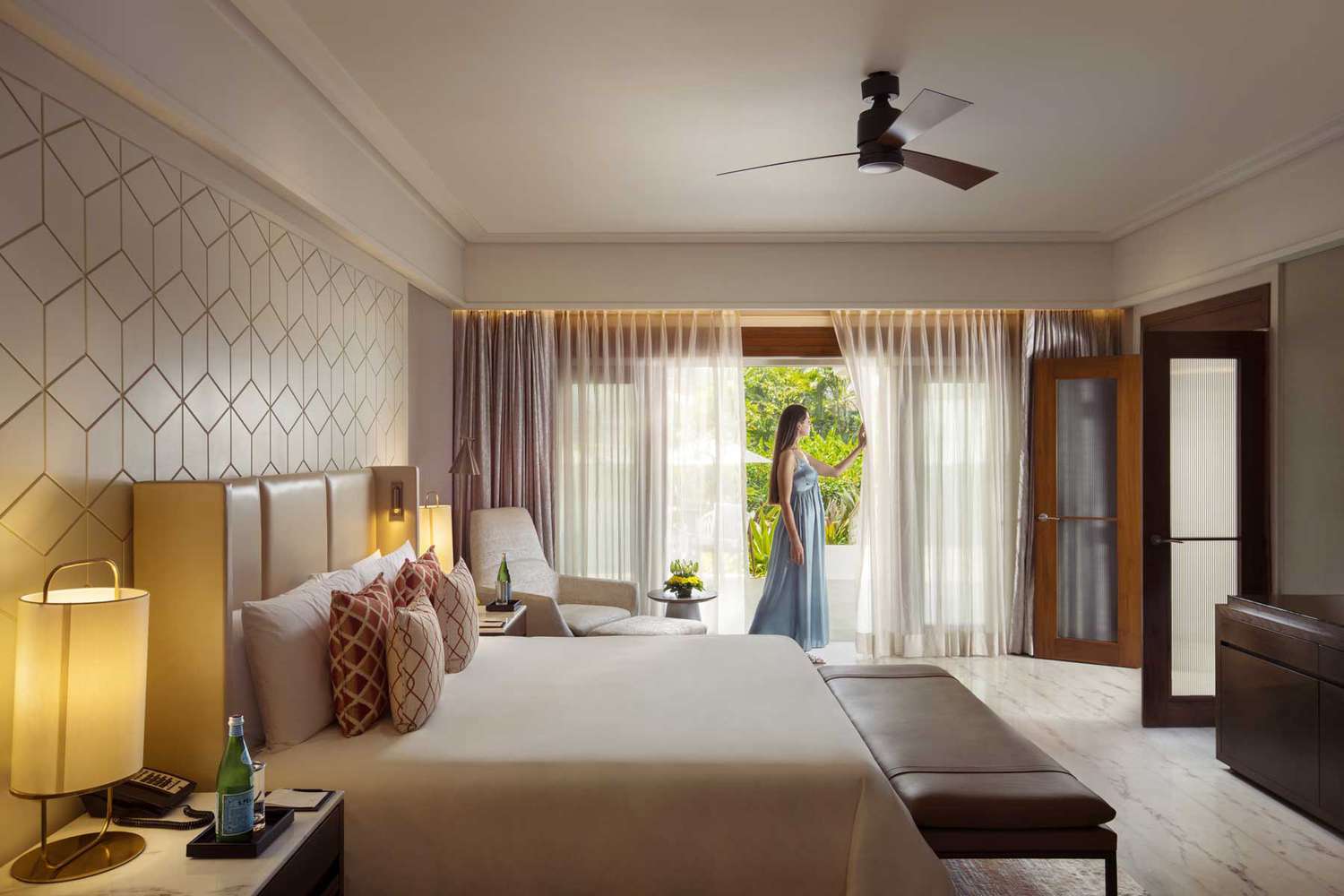

The definition of luxury hospitality has shifted dramatically away from gilded lobbies, stiff white-glove service, and ostentatious decor. Discerning modern travelers seek emotional connection, profound wellness integration, cultural authenticity, and architectural minimalism. The focus has moved from material opulence toward personalized, immersive experiences that respect both the traveler and the local community.
The Evolution of High-End Travel Expectations
Historically, luxury was defined by standardization. A guest expected the same marble bathroom, the same continental breakfast, and the exact same formal greeting whether they checked into a hotel in Paris, Tokyo, or New York. Today, uniformity is viewed as dated.
Modern luxury guests prioritize several distinct elements:
-
Architectural Harmony: Buildings that blend seamlessly into their natural or historical surroundings rather than imposing themselves on the landscape.
-
Radical Privacy: Intimate spaces that offer deep solitude, minimal foot traffic, and expansive personal square footage.
-
Proactive Personalization: Service that anticipates personal preferences through subtle observation rather than intrusive questionnaires.
-
Regenerative Sustainability: Concrete environmental initiatives that protect local ecosystems and support indigenous communities without compromising comfort.
Aman: The Art of Architectural Serenity and Seclusion
Originating in 1988 on the shores of Phuket, Thailand, Aman established a blueprint that completely disrupted the traditional luxury landscape. Instead of large, crowded resort compounds, the brand introduced boutique, low-density pavilions characterized by uncluttered lines, native building materials, and an almost sacred atmosphere of quietude.
Aman properties are designed as sanctuaries. Whether perched on the desert cliffs of Utah at Amangiri or overlooking the historic canals of Venice, each location emphasizes vast open spaces and a minimalist aesthetic.
Key pillars that distinguish the Aman philosophy include:
-
Exceptional Staff-to-Guest Ratios: Staff numbers routinely exceed four to five per room, allowing service to operate invisibly and efficiently.
-
Site-Specific Architecture: Structures are crafted to reflect regional design traditions, using locally sourced timber, stone, and earth tones.
-
Unstructured Leisure: Daily schedules are eschewed in favor of unhurried, tailor-made activities tailored to individual rhythms.
Six Senses: Pioneering Wellness and Regenerative Travel
While many hotel groups treat wellness as an afterthought relegated to a basement spa, Six Senses makes holistic health and environmental stewardship its core operating philosophy.
The brand approaches wellness through rigorous scientific backing paired with ancient healing traditions. Guests do not merely visit for basic massages; they undergo comprehensive biometric screenings, circadian rhythm sleep assessments, and personalized nutritional guidance.
Six Senses reshapes hospitality through:
-
Integrated Sleep Programs: Rooms featuring handmade natural mattresses, organic bedding, and custom light management systems designed to optimize deep restorative sleep.
-
Measurable Eco-Stewardship: Each resort operates an Earth Lab, showcasing on-site glass bottling plants, permaculture gardens, and zero-waste initiatives.
-
Locally Sourced Nutrition: Menus centered around clean, organic, farm-to-table cuisine that supports gut health and minimizes carbon miles.
Rosewood Hotels and Resorts: Cultivating a True Sense of Place
Under its guiding philosophy of “A Sense of Place,” Rosewood has modernized legacy urban properties and tropical hideaways by embedding them deeply into the cultural fabric of their destinations.
Rather than isolating guests inside an international luxury bubble, Rosewood curates spaces that feel like residential extensions of the surrounding neighborhood. From the classic elegance of The Carlyle in New York to the historic grandeur of Hôtel de Crillon in Paris and dynamic towers in Hong Kong, each hotel acts as a living reflection of its home city.
Core elements of the Rosewood model include:
-
Residential Style Interiors: Public spaces and private suites styled like refined, art-filled private residences rather than conventional hotel accommodations.
-
Curated Cultural Immersion: Bespoke local programming that introduces guests to neighborhood artisans, historians, and hidden culinary masters.
-
Social Hub Dining: Restaurants and cocktail lounges designed to attract local tastemakers, ensuring lively public energy rather than quiet, tourist-only spaces.
Belmond: Revitalizing Heritage and Slow Travel
Belmond, part of the LVMH group, champions the revival of slow, deliberate travel. Its collection comprises legendary historic hotels, luxury trains like the Venice Simplon-Orient-Express, and river cruises that turn transit itself into a memorable experience.
Belmond stands apart by celebrating historical preservation alongside whimsical modern design:
-
Living Heritage Sites: Preserving landmark architecture, from 15th-century monasteries in Cusco to cliffside villas along the Amalfi Coast.
-
Experiential Transit: Combining iconic rail and boat routes with destination stays to deliver cinematic travel itineraries.
-
Artisanal Collaboration: Commissioning regional craftspeople, painters, and culinary innovators to infuse authentic local character into property renovations.
The Future Trajectory of Modern Hospitality
The luxury travel sector continues to move toward deeper emotional resonance. As global connectivity increases, the rarest commodities have become absolute privacy, undisturbed time, clean environments, and unscripted human connection. The brands leading this evolution demonstrate that the pinnacle of hospitality is not about gilded surfaces, but about creating space for renewal, discovery, and genuine ease.
Frequently Asked Questions
How do modern luxury brands balance advanced technology with personalized service?
Modern high-end properties implement smart technology behind the scenes, using automation for climate control, lighting, and internal logistics while keeping human guest interactions warm, conversational, and non-robotic.
Why is there a shift away from traditional loyalty point programs among top-tier brands?
Ultra-luxury travelers often prioritize bespoke recognition, room upgrades, flexible check-in times, and unique experiential access over standardized point collection and tiered redemption charts.
How do ultra-luxury hotels approach sustainable construction in delicate ecosystems?
Developers use modular techniques, low-impact local materials, solar orientation, and water harvesting systems to minimize environmental disruption during and after the building phase.
What is the distinction between a boutique luxury hotel and a branded luxury residence?
Boutique hotels focus primarily on transient hospitality with highly tailored amenities, whereas branded residences provide private, permanent ownership coupled with hotel-managed housekeeping, concierge, and dining services.
How do culinary programs in modern luxury hotels differ from traditional fine dining?
Modern properties increasingly reject rigid, formal dining rooms in favor of hyper-seasonal menus, ingredient transparency, intimate chef tables, and authentic street-food-inspired pop-ups.
What role does acoustic design play in contemporary luxury properties?
Acoustic engineering is a primary focus, utilizing specialized insulation, silent mechanical ventilation, and sound-dampening natural textures to ensure total auditory privacy from urban noise or neighboring suites.
How are modern resorts adapting to multi-generational family travel?
Leading brands now construct multi-bedroom standalone villas, private compound configurations, and diverse programming that caters simultaneously to children, parents, and grandparents without compromising privacy.

Comments are closed.