
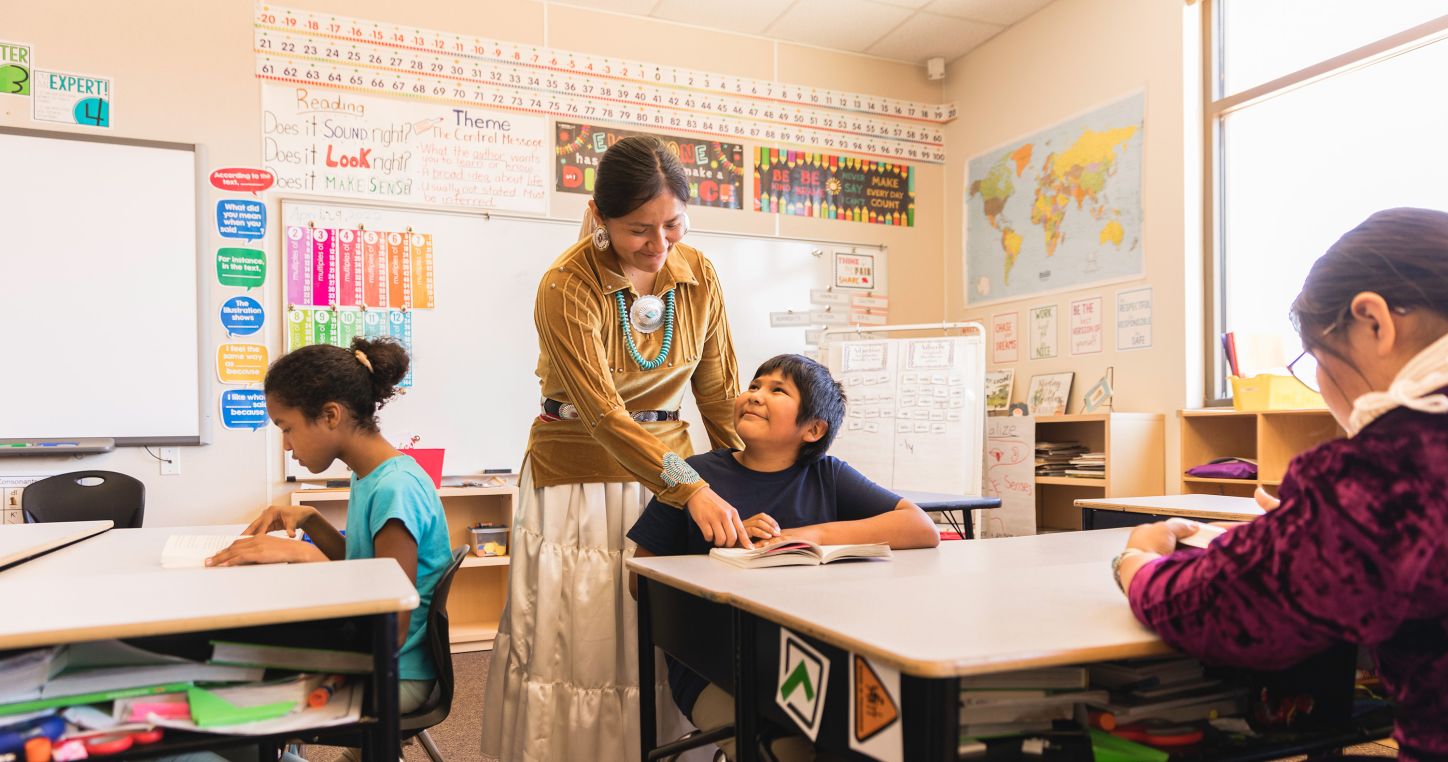

Education is the cornerstone of societal progress, personal development, and economic prosperity. It extends beyond the mere acquisition of knowledge to include critical thinking, ethical reasoning, and social competence. In a rapidly evolving world, education has shifted from traditional classroom learning to encompass digital tools, experiential learning, and global competencies. Understanding education requires exploring its history, methods, innovations, challenges, and its role in shaping individuals and communities.
The Historical Evolution of Education
Education has evolved dramatically over centuries, reflecting cultural, economic, and technological shifts.
- Ancient Education Systems: In early civilizations like Mesopotamia, Egypt, and China, education focused on religious, civic, and military training. Literacy was reserved for elites, and knowledge transmission relied heavily on oral traditions and handwritten manuscripts.
- Classical and Medieval Education: Greek and Roman societies emphasized philosophy, rhetoric, and civic responsibility. The medieval period introduced universities, with centers of learning such as Bologna, Oxford, and Paris shaping academic structures.
- Industrial Revolution and Mass Education: The 18th and 19th centuries brought formalized education for the masses. Compulsory schooling emerged, literacy rates soared, and educational curricula expanded to include science, mathematics, and vocational skills.
- Modern Education: The 20th and 21st centuries have seen education become universal in principle, with an increasing focus on technology, critical thinking, and global awareness. Lifelong learning and online platforms have redefined how knowledge is accessed and applied.
Understanding this evolution highlights how education reflects societal priorities and adapts to changing needs.
Core Components of Education
Education is multidimensional, encompassing various components that collectively foster intellectual and social growth.
Formal Education
Formal education occurs in structured environments such as schools, colleges, and universities. Its characteristics include:
- Structured Curriculum: Defined learning objectives, assessment methods, and progression pathways.
- Accreditation: Degrees and certifications validate competency and facilitate career advancement.
- Specialized Knowledge: Formal education allows mastery in disciplines such as science, engineering, literature, and social sciences.
Informal Education
Informal education is unstructured and occurs outside conventional classrooms. Examples include:
- Learning through social interactions, mentorship, and community involvement.
- Online tutorials, workshops, and self-directed learning platforms.
- Exposure to real-world challenges that build problem-solving skills and adaptability.
Non-Formal Education
Non-formal education lies between formal and informal approaches, often community-based and skill-oriented:
- Vocational training centers, adult literacy programs, and professional certifications.
- Programs designed to bridge gaps in traditional education, particularly in underserved communities.
- Emphasis on practical application and employability skills.
Modern Innovations in Education
The landscape of education has shifted due to technological advances and evolving pedagogical philosophies.
Digital Learning Platforms
Online education platforms provide flexibility, accessibility, and scalability. Key features include:
- Virtual classrooms with interactive video lectures.
- Adaptive learning algorithms that tailor content to individual learners.
- Massive Open Online Courses (MOOCs) offering courses from top universities globally.
Experiential and Project-Based Learning
Experiential learning emphasizes real-world application:
- Internships, apprenticeships, and fieldwork develop practical skills.
- Project-based approaches foster collaboration, critical thinking, and creativity.
- Simulation tools and gamified learning enhance engagement and retention.
Inclusive and Adaptive Education
Inclusive education ensures accessibility for all learners, including those with disabilities or socio-economic disadvantages. Strategies include:
- Assistive technologies such as screen readers and adaptive keyboards.
- Curriculum adjustments and differentiated instruction methods.
- Policies supporting gender equity, cultural diversity, and learning accommodations.
Integration of Artificial Intelligence
AI is transforming education by providing personalized learning experiences:
- Intelligent tutoring systems assess knowledge gaps and suggest tailored resources.
- AI-driven analytics predict student performance and help educators intervene proactively.
- Virtual assistants and chatbots enhance student engagement and administrative efficiency.
The Societal Impact of Education
Education is a catalyst for societal advancement, influencing economic development, health outcomes, and civic engagement.
- Economic Development: Higher education levels correlate with increased productivity, entrepreneurship, and innovation. Skilled workforces attract investment and drive industrial growth.
- Health and Well-being: Educated populations are more likely to adopt healthy behaviors, access medical care, and understand public health information.
- Civic Participation: Education fosters informed citizenship, encouraging voter engagement, community service, and advocacy for social justice.
- Cultural Preservation and Innovation: Education transmits cultural heritage while enabling critical evaluation and innovation, ensuring societies adapt while retaining identity.
Challenges Facing Education Today
Despite progress, the global education system faces significant obstacles that hinder equitable access and quality learning.
- Digital Divide: Unequal access to technology limits the benefits of digital education for marginalized communities.
- Quality Disparities: Variations in teacher quality, curriculum standards, and learning resources affect student outcomes.
- Affordability: Rising tuition costs in higher education restrict opportunities for many individuals.
- Overemphasis on Standardized Testing: Focusing excessively on testing can undermine creativity, critical thinking, and holistic development.
- Societal Barriers: Poverty, cultural norms, and political instability create systemic barriers to education, particularly for girls and minority populations.
Addressing these challenges requires coordinated policy efforts, investment in infrastructure, and innovative teaching methods.
Future Trends in Education
Education is poised for radical transformation over the next decade. Emerging trends include:
- Lifelong Learning: Continuous skill development is becoming essential in a rapidly changing job market. Micro-credentials, online courses, and professional development programs support lifelong learning.
- Blended Learning Models: Combining in-person and digital instruction enhances flexibility, engagement, and personalized learning experiences.
- Global Competence Development: Cross-cultural understanding, multilingual proficiency, and global problem-solving skills will be critical in an interconnected world.
- Focus on Emotional Intelligence: Social-emotional learning (SEL) programs develop empathy, resilience, and communication skills, complementing cognitive growth.
- Sustainability and Education for the Future: Curriculum integrating climate change, sustainability, and ethical decision-making prepares students for global challenges.
Real-Life Impacts of Education
The transformative power of education manifests in tangible ways:
- Economic Mobility: Access to quality education enables individuals to secure stable employment, pursue entrepreneurship, and improve socio-economic status.
- Innovation and Research: Higher education institutions drive technological and scientific discoveries, contributing to societal progress.
- Social Equity: Education reduces inequality, empowering marginalized populations with skills, knowledge, and confidence.
- Global Collaboration: Educational exchanges and partnerships foster international understanding and cooperation on pressing global issues.
FAQs About Education
How does digital learning improve student outcomes?
Digital learning provides flexible access to resources, personalized pacing, and interactive content. It allows students to learn according to their individual needs, enhancing comprehension and retention.
Why is experiential learning important?
Experiential learning bridges theory and practice, helping students develop problem-solving skills, creativity, and real-world competence. It fosters active engagement and deeper understanding.
What are the biggest barriers to education globally?
Poverty, gender discrimination, lack of infrastructure, political instability, and limited access to technology are major barriers to education worldwide.
How can AI enhance learning experiences?
AI can create personalized learning pathways, provide instant feedback, predict learning gaps, and streamline administrative tasks, allowing educators to focus on teaching.
Why is inclusive education critical?
Inclusive education ensures all learners, regardless of ability, socio-economic status, or background, have access to quality education. It promotes equity, diversity, and societal cohesion.
What is the role of education in economic growth?
Education builds human capital, enhances productivity, encourages entrepreneurship, and supports technological innovation, all of which drive economic development.
How is education evolving with global trends?
Education is becoming more digital, experiential, and globally connected. Emphasis on lifelong learning, emotional intelligence, and sustainability aligns education with future societal and economic needs.
Education is more than a pathway to employment or academic achievement; it is a foundation for personal growth, societal advancement, and global progress. By fostering critical thinking, ethical reasoning, and practical skills, education empowers individuals and communities to navigate a complex, interconnected world.

Comments are closed.