
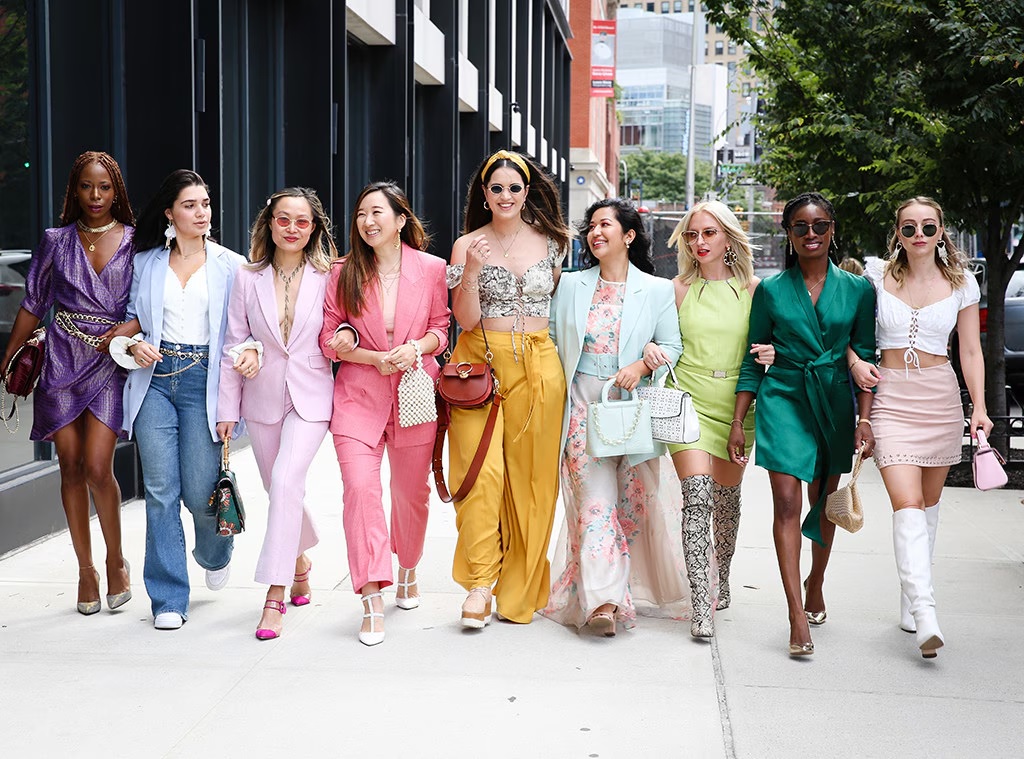

Fashion is more than clothing or personal style; it is a reflection of culture, identity, and societal values. From the runways of Paris to street style movements across the globe, fashion plays a pivotal role in shaping perceptions and influencing consumer behavior. In contemporary society, fashion encompasses aesthetics, sustainability, technology, and psychology, intertwining deeply with lifestyle, media, and global economies. Understanding fashion requires a multi-dimensional perspective that includes its history, innovation, cultural significance, and the dynamics of the modern industry.
The Historical Journey of Fashion
Fashion has continually evolved, reflecting the social, economic, and political climates of its time.
- Ancient Fashion: Early civilizations such as Egypt, Mesopotamia, and Greece prioritized clothing that reflected status, functionality, and symbolism. Materials like linen, wool, and leather were used creatively to demonstrate wealth and cultural identity. Jewelry, headpieces, and dyed fabrics were integral to social differentiation.
- Renaissance and Baroque Eras: During these periods, fashion became a tool of expression and power. Rich fabrics, intricate embroidery, and elaborate accessories marked the aristocracy. Italian and French influence reshaped style norms, making fashion synonymous with sophistication and prestige.
- Industrial Revolution Impact: Mechanized textile production democratized fashion, making fabrics and styles more accessible to the emerging middle class. This period saw the rise of department stores, fashion magazines, and ready-to-wear clothing.
- 20th Century Innovation: The 1900s brought transformative designers such as Coco Chanel and Christian Dior who revolutionized style with functional elegance and haute couture. Fashion reflected social movements, gender roles, and cultural shifts, including the rise of casual wear and global street style trends.
- Contemporary Fashion: Today, fashion is global, digital, and culturally hybrid. Trends emerge on social media, sustainable practices are prioritized, and inclusivity shapes design. Technology, personalization, and fast-changing consumer preferences define modern style landscapes.
Key Elements of Fashion
Fashion operates at the intersection of aesthetics, culture, and functionality. Its components include:
Clothing and Apparel
Clothing remains the primary medium of fashion expression:
- Design and Silhouette: Shapes, cuts, and layering create visual identity. Designers experiment with proportions, draping, and tailoring to convey style.
- Materials and Textiles: Fabrics such as silk, cotton, wool, and synthetics affect texture, comfort, and sustainability. Innovations like vegan leather and recycled materials are reshaping textile choices.
- Color and Pattern: Colors communicate mood, seasonality, and branding. Patterns, from stripes to floral prints, add cultural and aesthetic dimensions to fashion design.
Accessories and Footwear
Accessories are crucial in enhancing personal style:
- Footwear: Shoes not only provide utility but signify fashion status, from luxury heels to sneaker culture.
- Jewelry and Watches: These elements convey sophistication, heritage, and personal expression.
- Bags, Belts, and Hats: Functional and stylistic, accessories complete ensembles and signify trends.
Beauty and Grooming
Fashion intersects with beauty through makeup, hairstyles, and personal grooming:
- Cosmetic Integration: Makeup trends align with clothing and runway presentations, emphasizing creativity and identity.
- Hair Trends: Haircuts, coloring, and styling reinforce individuality and societal trends.
- Skincare and Wellness: Holistic beauty practices influence overall fashion perception, integrating wellness into style narratives.
Fashion Industry Dynamics
The fashion industry is a complex global ecosystem influenced by economics, culture, and technology.
Haute Couture and Luxury Fashion
High fashion represents artistry, craftsmanship, and exclusivity:
- Custom-made clothing, intricate detailing, and limited production enhance value.
- Fashion capitals like Paris, Milan, and New York host shows that dictate global trends.
- Luxury fashion drives aspirational marketing, brand heritage, and consumer loyalty.
Fast Fashion and Mass Market
Fast fashion addresses accessibility and affordability:
- Rapid production cycles replicate runway trends for mass consumption.
- While it democratizes style, it raises sustainability and labor ethics concerns.
- Brands leverage social media marketing and influencer collaborations to maintain relevance.
Sustainable and Ethical Fashion
Sustainability is becoming central to industry evolution:
- Eco-friendly materials, recycling programs, and zero-waste production are shaping the market.
- Ethical labor practices, transparency, and corporate social responsibility build consumer trust.
- Circular fashion models, such as rental services and resale platforms, are gaining traction.
Digital Transformation
Technology is redefining design, marketing, and consumer engagement:
- E-Commerce and Social Media: Platforms like Instagram and TikTok drive trend visibility and direct sales.
- Virtual Fashion: Augmented reality and digital clothing allow experimentation without material waste.
- AI in Fashion: Artificial intelligence predicts trends, personalizes recommendations, and optimizes inventory.
Cultural and Psychological Significance of Fashion
Fashion is deeply intertwined with identity, expression, and societal norms:
- Identity and Self-Expression: Fashion communicates personality, social status, and cultural affiliation. Subcultures, from punk to minimalism, illustrate how style defines community and individuality.
- Cultural Representation: Traditional attire and culturally inspired designs preserve heritage and promote diversity.
- Psychological Impact: Clothing affects confidence, perception, and social interactions. Studies show that dressing in alignment with personal values enhances psychological well-being.
Emerging Trends in Fashion
Fashion evolves rapidly, influenced by societal shifts, technology, and consumer behavior:
- Gender Fluidity in Fashion: Designers are challenging traditional gender norms, promoting unisex clothing, and breaking barriers in style expression.
- Smart Textiles: Fabrics embedded with sensors for temperature regulation, health monitoring, and interactive features are gaining relevance.
- Minimalism and Capsule Wardrobes: Consumers are embracing simplicity, sustainability, and functionality, reducing excess consumption.
- Cultural Fusion: Designers combine global influences, merging patterns, fabrics, and motifs to create cross-cultural aesthetics.
- Second-Hand and Vintage Fashion: Resale and upcycling are increasing in popularity, contributing to sustainability and unique style statements.
Real-World Impacts of Fashion
Fashion influences economies, social norms, and innovation:
- Economic Contribution: The global fashion industry generates trillions in revenue, supports millions of jobs, and drives retail innovation.
- Social Awareness: Fashion campaigns increasingly address inclusion, gender equity, and environmental responsibility.
- Technological Innovation: Fashion accelerates material research, wearable technology, and AI integration in consumer experiences.
- Cultural Diplomacy: Designers collaborate globally, using fashion as a medium for cross-cultural dialogue and representation.
FAQs About Fashion
How does fashion influence self-perception?
Fashion affects confidence, identity, and social interaction. Dressing in alignment with personal style or societal trends enhances self-expression and psychological comfort.
What is the difference between haute couture and fast fashion?
Haute couture involves custom, luxury designs with limited production, emphasizing artistry. Fast fashion replicates trends for mass consumption, prioritizing speed and affordability.
How is technology changing fashion design?
AI, 3D printing, virtual reality, and data analytics allow designers to predict trends, create innovative garments, and engage consumers digitally.
Why is sustainable fashion important?
Sustainable fashion reduces environmental impact, promotes ethical labor practices, and encourages responsible consumption, ensuring long-term industry viability.
What role do cultural influences play in fashion?
Cultural heritage shapes design, pattern, and aesthetic. Fashion can preserve traditions, inspire global collaborations, and promote diversity.
How are social media trends affecting fashion?
Platforms like Instagram and TikTok amplify visibility, enable direct-to-consumer sales, and accelerate trend cycles, influencing consumer purchasing behavior.
Why is fashion considered an art form?
Fashion combines creativity, craftsmanship, and conceptual expression. Designers use garments as canvases, communicating narratives, emotions, and cultural commentary.
Fashion is more than attire; it is a multidimensional force that blends art, commerce, identity, and innovation. It reflects societal values, drives economic and technological progress, and empowers individuals to communicate their identity and beliefs. In a globalized and digitally connected world, fashion continues to evolve, shaping and reflecting human culture in every thread, silhouette, and accessory.

Comments are closed.