
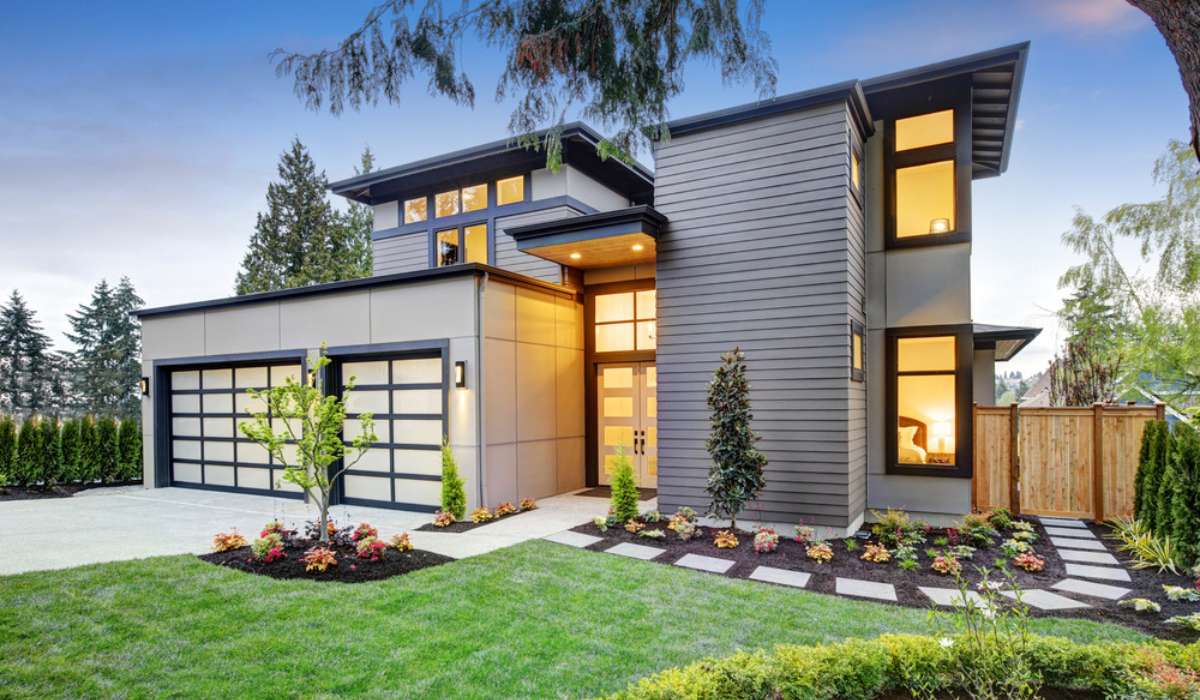

The concept of home goes far beyond a physical structure. It embodies safety, comfort, cultural identity, and personal expression. Homes reflect human ingenuity in architecture, interior design, and community planning, while also serving as a cornerstone of mental and physical well-being. In modern society, the home is influenced by technological innovation, sustainable practices, and evolving lifestyle needs, making it a complex intersection of functionality, aesthetics, and personal values.
Architecture and Design: Shaping the Home
Architecture determines not only the appearance of a home but also its usability, comfort, and longevity. Understanding architectural principles helps homeowners create spaces that optimize light, air, and spatial flow.
Structural Foundations
- Materials: Modern homes use a combination of concrete, steel, wood, and sustainable composites. Each material offers unique benefits, such as durability, energy efficiency, and aesthetic appeal.
- Engineering Principles: Load-bearing structures, seismic design, and insulation strategies ensure safety, comfort, and energy efficiency.
- Space Optimization: Open floor plans and multifunctional spaces improve usability in urban homes where square footage is limited.
Interior Design Principles
- Functionality: Furniture and layouts should balance comfort with efficiency, supporting daily routines and social interactions.
- Aesthetics: Color schemes, textures, and lighting create ambiance and influence mood.
- Cultural Expression: Decorative elements, artwork, and architectural details reflect personal and cultural identity.
Smart Home Integration
Technology has transformed homes into connected ecosystems:
- Automation Systems: Smart lighting, climate control, and security systems enhance convenience and energy efficiency.
- Voice-Activated Devices: Assist with daily tasks, from setting reminders to controlling appliances.
- Remote Monitoring: Homeowners can oversee security, energy consumption, and appliance status via mobile apps.
Sustainability in the Modern Home
Environmental consciousness is a major factor in contemporary home design, influencing construction, materials, and energy usage.
Energy Efficiency
- Insulation and Windows: High-quality insulation and double or triple-pane windows reduce heating and cooling costs.
- Solar Panels: Solar energy provides a renewable, cost-effective power source.
- Energy-Efficient Appliances: Using appliances with Energy Star ratings decreases electricity consumption.
Sustainable Materials
- Reclaimed Wood and Bamboo: Environmentally friendly alternatives for flooring and cabinetry.
- Low-VOC Paints: Reduce indoor air pollution, contributing to healthier living spaces.
- Recycled and Local Materials: Minimizes environmental impact and supports local economies.
Water Conservation
- Low-Flow Fixtures: Faucets, showerheads, and toilets reduce water usage without compromising functionality.
- Rainwater Harvesting: Collecting and using rainwater for irrigation or domestic purposes lowers water bills and environmental strain.
- Greywater Recycling: Reuses water from sinks and showers for landscaping or toilet flushing.
Health and Well-Being at Home
The home environment directly affects physical health, mental wellness, and overall quality of life.
Indoor Air Quality
- Ventilation Systems: Proper airflow reduces mold, allergens, and airborne pollutants.
- Air Purifiers: Target particulates and harmful gases, creating a healthier indoor environment.
- Houseplants: Certain plants naturally filter toxins, enhancing both air quality and aesthetics.
Lighting and Mood
- Natural Light: Large windows and skylights improve mood, regulate circadian rhythms, and reduce energy costs.
- Artificial Lighting: Adjustable lighting with dimmers or smart bulbs can create different moods for work, relaxation, or socializing.
Noise Management
- Soundproofing: Acoustic panels, double-glazed windows, and strategic furniture placement reduce unwanted noise.
- Zoning Spaces: Designating quiet zones for work or relaxation supports focus and mental health.
Home Organization and Storage
A well-organized home enhances functionality, reduces stress, and maximizes space.
- Built-In Storage: Cabinets, shelving, and under-bed storage optimize space efficiency.
- Decluttering Strategies: Regularly sorting items and using minimalistic approaches create cleaner, more livable spaces.
- Smart Storage Solutions: Modular furniture, hidden compartments, and vertical storage maximize utility in small homes.
Home Security and Safety
Ensuring the safety of residents is a fundamental aspect of modern homes.
- Physical Security: Locks, reinforced doors, and fencing protect against intruders.
- Technology-Enhanced Safety: Cameras, motion detectors, and alarm systems provide real-time monitoring and alerts.
- Fire Safety: Smoke detectors, fire extinguishers, and flame-retardant materials reduce risk and enhance preparedness.
The Cultural Significance of Home
Homes are not only functional spaces but also reflect cultural values, traditions, and personal identity.
Expression of Identity
- Decorative Choices: Furniture, artwork, and color schemes convey personal style and cultural heritage.
- Architecture Styles: Colonial, contemporary, Mediterranean, and other designs represent historical and regional influences.
- Rituals and Gatherings: Homes host holidays, family events, and community interactions, reinforcing cultural continuity.
Community and Social Impact
- Neighborhood Design: Proximity to parks, schools, and amenities enhances social interaction and community well-being.
- Sustainable Communities: Eco-friendly neighborhoods reduce environmental impact while promoting collective responsibility.
- Shared Spaces: Common areas such as courtyards, playgrounds, or co-working zones facilitate social engagement and collaboration.
Emerging Trends in Home Design
Modern homeowners are increasingly prioritizing technology, sustainability, and wellness in home design.
- Multifunctional Spaces: Flexible rooms that adapt to work, study, exercise, or entertainment.
- Biophilic Design: Incorporating natural elements such as greenery, water features, and natural light to enhance mental well-being.
- Minimalism: Emphasis on simplicity, open space, and quality over quantity.
- Home Offices and Remote Work: Dedicated workspaces with ergonomic furniture and adequate lighting reflect the rise of telecommuting.
- Energy Self-Sufficiency: Homes are increasingly equipped with renewable energy systems, battery storage, and smart grids to reduce reliance on external power sources.
Financial Considerations of Home Ownership
Owning or maintaining a home requires careful financial planning and informed decision-making.
Cost Factors
- Purchase Price and Mortgage: Vary based on location, size, and amenities.
- Maintenance Costs: Regular upkeep, repairs, and upgrades ensure long-term value.
- Utilities and Energy Bills: Energy-efficient solutions help reduce recurring costs.
Investment and Value
- Appreciation Potential: Homes in desirable locations or with sustainable features often increase in value over time.
- Renovation ROI: Strategic upgrades, such as kitchen remodels or solar installations, provide long-term financial benefits.
- Insurance: Homeowners must consider property, liability, and disaster coverage to protect assets.
FAQs About Home
What makes a home sustainable?
A sustainable home utilizes energy-efficient systems, eco-friendly materials, water conservation techniques, and minimizes environmental impact through design and lifestyle choices.
How does home design impact mental health?
Well-lit, organized, and comfortable spaces reduce stress, promote relaxation, and improve productivity, positively influencing mental health.
What are the benefits of a smart home?
Smart homes enhance convenience, energy efficiency, safety, and personalization through automation and connected devices.
How can homeowners increase property value?
Investing in energy-efficient systems, modernizing kitchens and bathrooms, and maintaining structural integrity boost property value.
Why is indoor air quality important?
Poor air quality contributes to respiratory issues, allergies, and general discomfort, whereas clean air supports overall health and well-being.
How can homes be adapted for remote work?
Dedicated home offices with ergonomic furniture, proper lighting, soundproofing, and high-speed internet optimize productivity and work-life balance.
What trends define modern home design?
Multifunctional spaces, biophilic design, energy self-sufficiency, minimalism, and technology integration shape contemporary homes.
Homes today are a fusion of tradition, innovation, and sustainability. They serve as protective shelters, personal sanctuaries, and platforms for social interaction. By integrating thoughtful design, technology, and environmental stewardship, modern homes optimize comfort, efficiency, and well-being. A home is not simply where we live; it is where we grow, create, and thrive, reflecting our values and supporting the lifestyle choices that define our daily lives.

Comments are closed.