
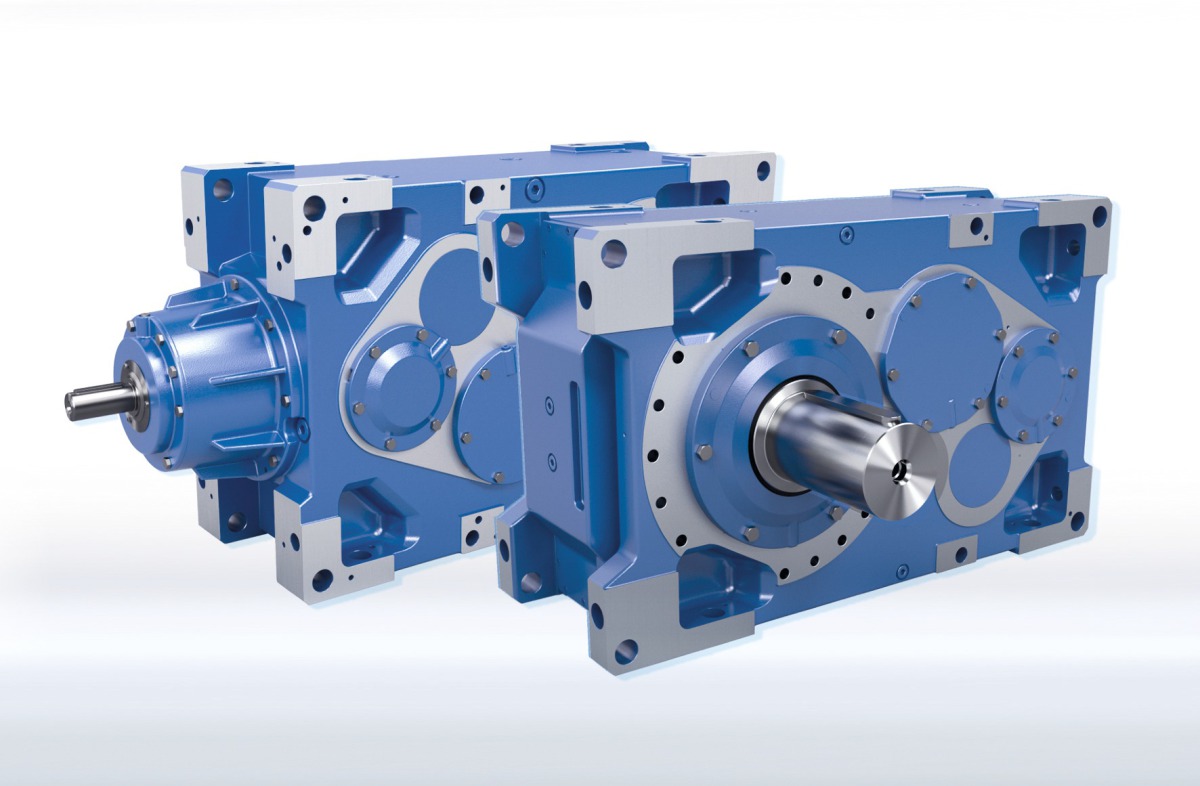

In today’s fast-paced industrial landscape, efficiency and reliability are more than just goals—they’re essential for competitiveness and sustainability. The rise of automation and smart manufacturing has brought renewed attention to the technology that powers these systems, particularly industrial drive units. These components play a crucial role in optimizing energy usage, enhancing performance, and ensuring the seamless operation of complex machinery across multiple sectors.
Understanding the Role of Industrial Drive Units in Modern Industry
Industrial drive units serve as the backbone of many production systems. They convert electrical energy into mechanical motion, allowing machines to perform essential tasks with precision and control. In settings such as manufacturing, mining, chemical processing, and material handling, these drive systems regulate the speed, torque, and direction of motors to meet exact operational requirements. Their purpose goes far beyond movement—they ensure that every process runs at the most efficient level possible.
One of the key benefits of industrial drive units lies in their ability to provide variable speed control. Traditional motor systems often run at a constant speed, wasting energy during low-demand periods. By contrast, drive units adjust motor output to match the specific load, reducing unnecessary energy consumption and mechanical wear. This capability not only conserves electricity but also extends the lifespan of machinery. Operators can fine-tune performance parameters, resulting in smoother operation, reduced noise, and improved overall system reliability.
Another critical factor is precision. Modern industrial processes demand consistent quality and accuracy, especially in sectors like electronics and pharmaceuticals where even minor variations can have significant consequences. Industrial drive units ensure that motors respond instantly to changes in command signals, maintaining exact speed and torque levels. This precision helps maintain process stability and product uniformity, both of which are essential in maintaining quality standards and minimizing production waste.
The Energy Efficiency Advantage of Modern Drive Technology
Energy consumption remains one of the largest operating expenses for industrial facilities. Reducing it not only cuts costs but also aligns with global initiatives toward sustainability and carbon reduction. Industrial drive units have emerged as key tools in achieving these goals through intelligent control and energy optimization features.
Variable frequency drives (VFDs), a common type of industrial drive unit, are particularly effective in this area. They adjust the electrical frequency supplied to motors, allowing for precise control of speed and torque. This means equipment consumes only the energy necessary for the current operation, avoiding the inefficiencies of running at full power continuously. In some cases, industries report energy savings of up to 50% after upgrading to advanced drive systems, especially in applications like pumps, fans, and conveyors that frequently operate below maximum capacity.
Energy regeneration is another innovation enhancing the appeal of modern industrial drive units. Some systems are capable of converting excess kinetic energy—generated when machines decelerate—back into usable electrical power. Instead of dissipating as heat, this recovered energy can be redirected into the grid or reused within the facility, contributing to overall efficiency. Such regenerative capabilities not only save energy but also reduce strain on cooling systems, further cutting operational costs.
Moreover, the integration of advanced monitoring and analytics has turned industrial drive units into intelligent assets. Equipped with sensors and communication capabilities, these systems can collect real-time performance data, identify inefficiencies, and predict potential maintenance needs before breakdowns occur. This predictive maintenance approach ensures that machines operate at peak efficiency and minimizes downtime, which is vital in maintaining productivity and conserving resources.
As industries move toward automation and digital transformation, the role of connected drive systems continues to expand. With the integration of Industrial Internet of Things (IIoT) technologies, drive units can now communicate directly with control systems and other machinery, enabling adaptive performance adjustments based on real-time data. This intelligent coordination ensures that every part of the system works harmoniously, minimizing waste and maximizing output without unnecessary energy expenditure.
Enhancing Industrial Performance Through Smart Integration
Performance in industrial settings is not solely defined by power or speed—it also depends on consistency, precision, and adaptability. Industrial drive units contribute significantly to these aspects by ensuring that each machine operates under optimal conditions. Their design promotes not only efficient motion control but also system-wide stability that supports long-term performance improvements.
Modern production facilities face the challenge of handling diverse operations under varying conditions. The flexibility provided by industrial drive units makes it possible to adjust quickly to different tasks or material requirements without major mechanical changes. This adaptability reduces downtime between production cycles and increases throughput. By maintaining steady operation across fluctuating loads, drive systems ensure that productivity remains consistent even under demanding or changing workloads.
Another area where industrial drive units enhance performance is through the reduction of mechanical stress. Controlled acceleration and deceleration prevent sudden jolts and minimize wear on critical components. This smooth operation extends the lifespan of machinery and reduces maintenance frequency, which translates into fewer interruptions and lower repair costs. Over time, these benefits accumulate to create a more reliable and cost-effective production environment.
Safety also improves through the use of modern drive technology. Drive units can incorporate fail-safe mechanisms and protective functions such as overload detection, emergency stop integration, and temperature monitoring. These features protect both equipment and personnel by preventing damage from excessive loads or overheating. By managing these factors automatically, the drive unit ensures safe, stable operation without sacrificing efficiency.
The performance advantage extends to industries that depend on precision motion control, such as robotics, textiles, and automotive assembly. In these applications, even a slight deviation in motor behavior can disrupt production. Industrial drive units maintain the synchronization of multiple motors and ensure that all movements occur with exact timing. This coordination supports higher output quality and consistency while minimizing product defects and waste.
Choosing the Right Industrial Drive Units for Long-Term Efficiency
Selecting the appropriate drive system is essential for achieving the desired balance between performance and efficiency. Factors such as load requirements, environmental conditions, and integration with existing control systems all influence the choice. Modern industrial drive units come in various configurations designed to meet different application demands, from compact units for light-duty operations to high-powered systems capable of controlling multiple large motors simultaneously.
Proper installation and configuration are equally important. Even the most advanced drive technology will underperform if not tuned to the specific requirements of the process. Partnering with experienced technicians and system integrators ensures that the drive is optimized for maximum output and energy savings. Routine maintenance, firmware updates, and calibration also play vital roles in preserving efficiency over time.
As industries evolve, so too do the expectations for energy conservation and sustainable production. Upgrading to high-efficiency industrial drive units is not just an operational improvement—it represents a strategic investment in the future. By reducing energy waste, lowering emissions, and enhancing productivity, these systems contribute to both economic and environmental goals.
Industrial drive units will continue to shape the direction of manufacturing and automation. Their ability to merge intelligent control with efficient power conversion makes them indispensable in achieving high performance and energy-conscious operation. In an era where every kilowatt and second counts, these innovations are not just improving machinery—they’re transforming entire industries into smarter, greener, and more productive systems.

Comments are closed.