
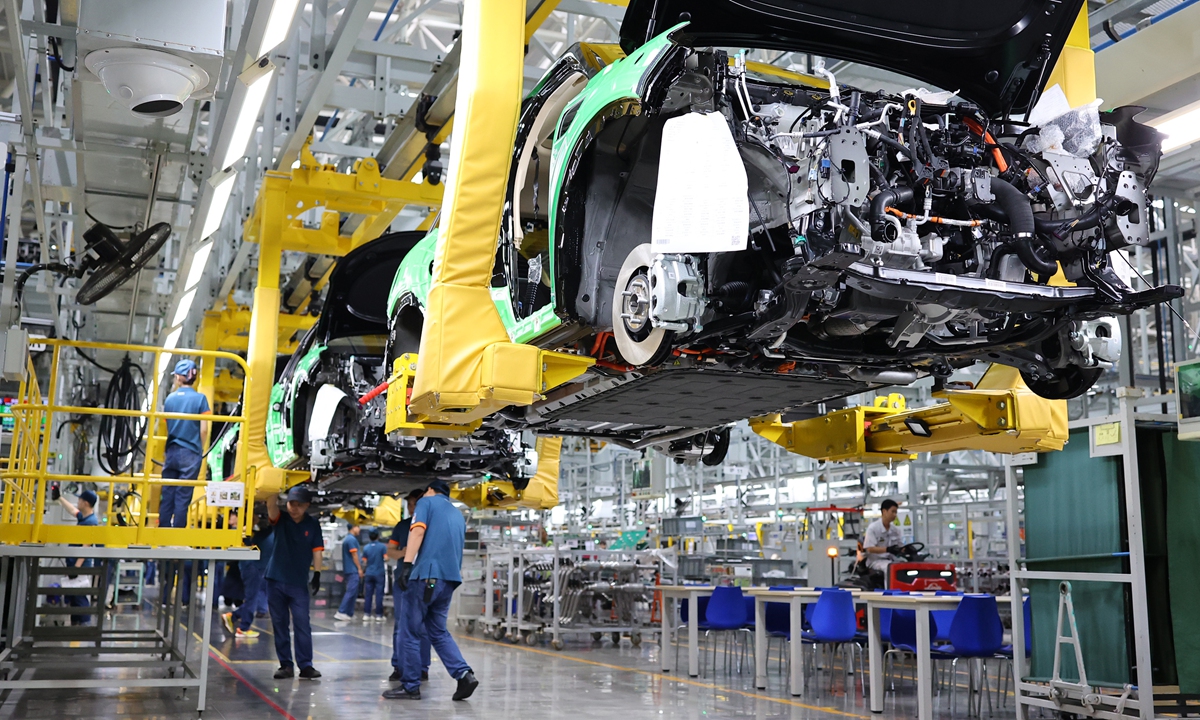

The auto industry has undergone a transformative journey, evolving from simple motorized vehicles to highly advanced, tech-driven automobiles. This evolution reflects the dynamic interplay of engineering, consumer demand, environmental considerations, and technological innovation. The term “auto” encompasses not only cars but also trucks, motorcycles, commercial vehicles, and emerging autonomous and electric mobility solutions. Understanding the auto industry requires examining its history, present dynamics, and future trajectory.
Historical Development of the Auto Industry
The auto industry began in the late 19th century with pioneering inventions in Europe and the United States. Early vehicles were luxury items for the elite, but innovation rapidly shifted the market toward mass production.
- Early Innovations: The development of the internal combustion engine by Nikolaus Otto in 1876 and Karl Benz’s Motorwagen in 1885 laid the groundwork for modern automobiles.
- Mass Production: Henry Ford revolutionized manufacturing with the Model T and assembly line production in 1908, making cars affordable to the middle class.
- Global Expansion: By the mid-20th century, auto production became a global enterprise, with major manufacturing hubs emerging in Germany, Japan, and the United States.
This historical context shows how the auto industry’s trajectory is rooted in both technological breakthroughs and industrial scalability.
Key Segments in the Auto Industry
The auto sector is not monolithic; it consists of multiple segments, each with unique characteristics, consumer bases, and market dynamics. Understanding these segments helps businesses, investors, and consumers navigate the industry effectively.
Passenger Vehicles
Passenger vehicles are the most visible and widely used segment. They include:
- Sedans and Hatchbacks: Designed for efficiency and comfort, ideal for urban commuting.
- SUVs and Crossovers: Increasingly popular due to their versatility, cargo capacity, and safety features.
- Luxury Cars: Focused on premium experience, incorporating advanced technology, high-performance engines, and sophisticated design.
Commercial Vehicles
Commercial vehicles include trucks, vans, and buses. These are critical for logistics, transportation, and trade. Key trends include:
- Electrification for urban delivery vehicles to reduce emissions.
- Integration of telematics for fleet management, predictive maintenance, and route optimization.
- Development of autonomous driving technology to enhance efficiency and safety.
Emerging Segments
The auto industry is witnessing rapid growth in cutting-edge areas:
- Electric Vehicles (EVs): EV adoption is accelerating due to climate change awareness, government incentives, and advancements in battery technology.
- Autonomous Vehicles (AVs): Self-driving cars are being tested worldwide, aiming to reduce accidents and improve mobility for underserved populations.
- Connected Cars: Vehicles equipped with IoT devices offer real-time diagnostics, over-the-air software updates, and integrated entertainment systems.
Technological Innovations Shaping the Auto Industry
Innovation is the lifeblood of the auto industry. Technological advancements have redefined the driving experience, safety standards, and environmental impact.
Electric Mobility
Electric vehicles are replacing traditional combustion engines in many markets. EVs rely on high-capacity lithium-ion or solid-state batteries and electric motors that provide instant torque and lower maintenance needs. Governments are offering subsidies and investing in charging infrastructure to accelerate adoption.
Autonomous Driving Technology
Self-driving vehicles use artificial intelligence, computer vision, lidar, radar, and GPS to navigate complex road environments. The technology is categorized into levels from 0 (no automation) to 5 (full autonomy). Autonomous driving promises to revolutionize urban mobility, reduce accidents caused by human error, and enhance efficiency in logistics.
Smart Connectivity
Connected vehicles leverage 5G networks and IoT platforms to provide:
- Real-time traffic updates.
- Predictive maintenance alerts.
- Vehicle-to-everything (V2X) communication for improved road safety.
Safety Innovations
Modern autos are equipped with advanced safety features:
- Adaptive cruise control.
- Automatic emergency braking.
- Lane departure warnings.
- Blind-spot detection.
These technologies aim to reduce fatalities and injuries on roads, making driving safer for everyone.
Environmental Impact and Sustainability in Autos
Environmental concerns are influencing every aspect of the auto industry. Consumers and regulators demand cleaner, more sustainable transportation solutions.
- Emission Standards: Governments worldwide are enforcing strict regulations on carbon emissions and fuel efficiency.
- Alternative Fuels: Hydrogen fuel cells and biofuels are being explored as alternatives to gasoline and diesel.
- Recycling and Lifecycle Management: Automakers are increasingly adopting sustainable materials, recycling programs, and circular economy principles.
Sustainability is no longer optional; it is integral to the long-term success of auto manufacturers.
Global Auto Market Trends
Several macro trends are shaping the global auto market. These include:
- Urbanization: Growing urban populations increase demand for compact and electric vehicles suitable for city driving.
- Digital Retailing: Online sales platforms, virtual showrooms, and home delivery models are transforming car sales.
- Shared Mobility: Ride-hailing, car-sharing, and subscription models are changing vehicle ownership patterns.
- Geopolitical Factors: Trade policies, tariffs, and regional manufacturing incentives influence market strategies for automakers.
Challenges Facing the Auto Industry
Despite opportunities, the auto sector faces significant challenges:
- Supply Chain Disruptions: Global shortages of semiconductors have slowed vehicle production and increased costs.
- Rising Production Costs: Advanced materials, EV batteries, and compliance with environmental regulations contribute to higher manufacturing expenses.
- Consumer Behavior Shifts: Younger generations prioritize mobility over ownership, impacting traditional sales models.
- Regulatory Compliance: Automakers must navigate complex environmental and safety regulations in multiple markets.
Addressing these challenges requires strategic planning, innovation, and adaptability.
Future Outlook: The Auto Industry in 2030 and Beyond
The auto industry is poised for dramatic transformations over the next decade. Key developments expected include:
- Widespread EV Adoption: Electric vehicles are projected to comprise a majority of new vehicle sales in several markets.
- Autonomous Fleet Expansion: Fully autonomous ride-sharing and delivery vehicles will become mainstream.
- AI Integration: Artificial intelligence will enhance driver-assistance systems, predictive maintenance, and personalization of the driving experience.
- Sustainability Leadership: Automakers will focus on zero-emission vehicles, renewable energy usage in production, and end-to-end lifecycle sustainability.
The industry is moving toward a future that balances innovation, sustainability, and consumer-centric mobility solutions.
Real-Life Impacts of Auto Industry Advancements
The evolution of the auto industry affects multiple aspects of daily life:
- Economic Growth: Auto manufacturing and services create millions of jobs worldwide.
- Accessibility: Autonomous and connected vehicles improve mobility for the elderly and disabled.
- Urban Planning: Smart vehicles and shared mobility models influence city infrastructure, parking design, and traffic management.
- Environmental Health: Reduced emissions and adoption of clean energy vehicles contribute to better air quality and climate mitigation.
FAQs About the Auto Industry
What is the difference between electric and hybrid vehicles?
Electric vehicles run solely on batteries and electric motors, producing zero tailpipe emissions. Hybrids combine a combustion engine with an electric motor, offering improved fuel efficiency but still emitting some pollutants.
Are autonomous vehicles safe?
Autonomous vehicles are designed to reduce accidents caused by human error, but safety depends on technology reliability, regulatory compliance, and road infrastructure. Continuous testing and improvements are ongoing.
How is technology changing car ownership?
Connected vehicles and shared mobility services are transforming ownership models. Subscription services, ride-hailing, and fleet rentals reduce the need for personal vehicle ownership.
What role do governments play in the auto industry?
Governments regulate safety, emissions, and trade, while also incentivizing electric vehicle adoption and investing in infrastructure like charging networks.
Which trends will dominate the auto industry in the next decade?
Electric mobility, autonomous driving, vehicle connectivity, and sustainability-driven manufacturing are expected to dominate the industry.
How does the auto industry impact the economy?
Automobile production drives manufacturing, logistics, service sectors, and employment. It also influences global trade and technological innovation, contributing significantly to GDP in many countries.
What challenges do auto manufacturers face today?
Key challenges include supply chain disruptions, rising production costs, regulatory compliance, and adapting to changing consumer preferences.
The auto industry represents a dynamic intersection of technology, economics, and human mobility. As electrification, automation, and connectivity reshape the sector, the industry is set to offer safer, cleaner, and more efficient transportation solutions. Businesses and consumers who understand these trends will be best positioned to thrive in this rapidly evolving landscape.

Comments are closed.